
AviDuo™
Price range: $17.00 through $65.00
Keep in the refrigerator (+4°C ~ +8°C)
AviDuo™
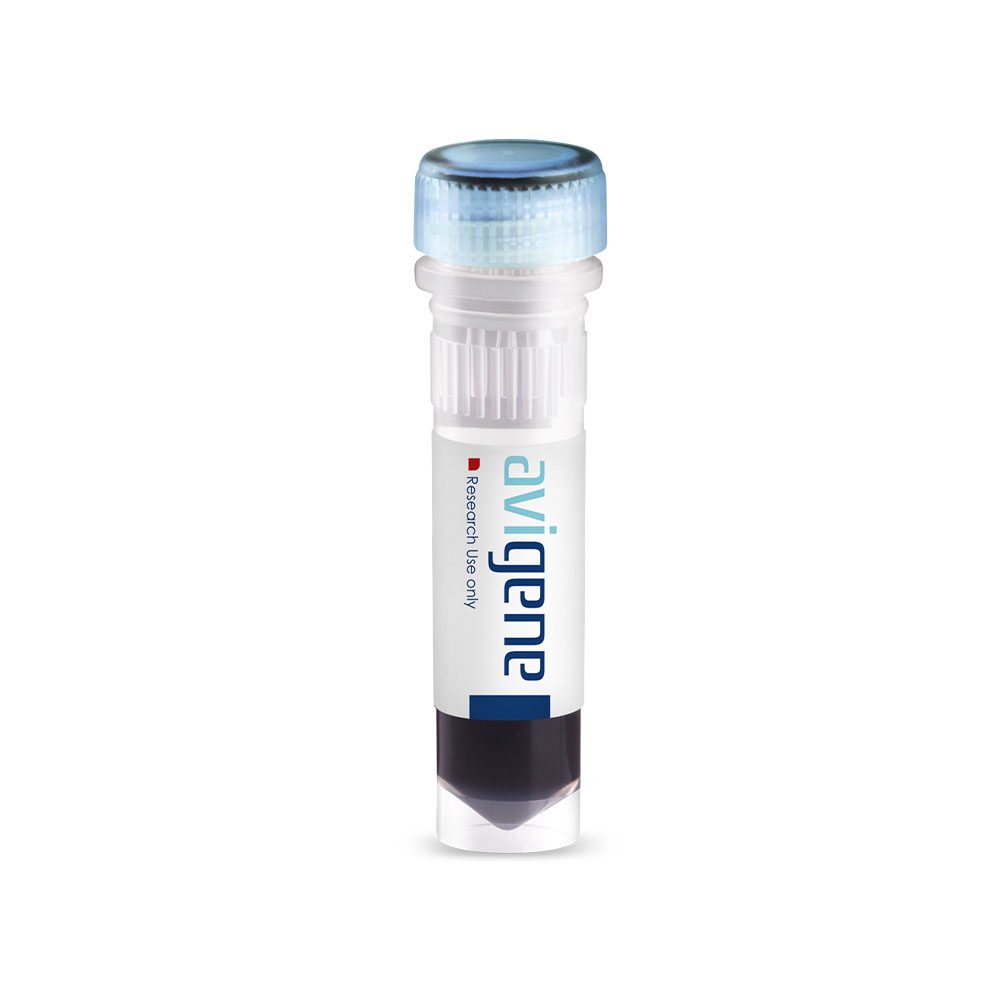
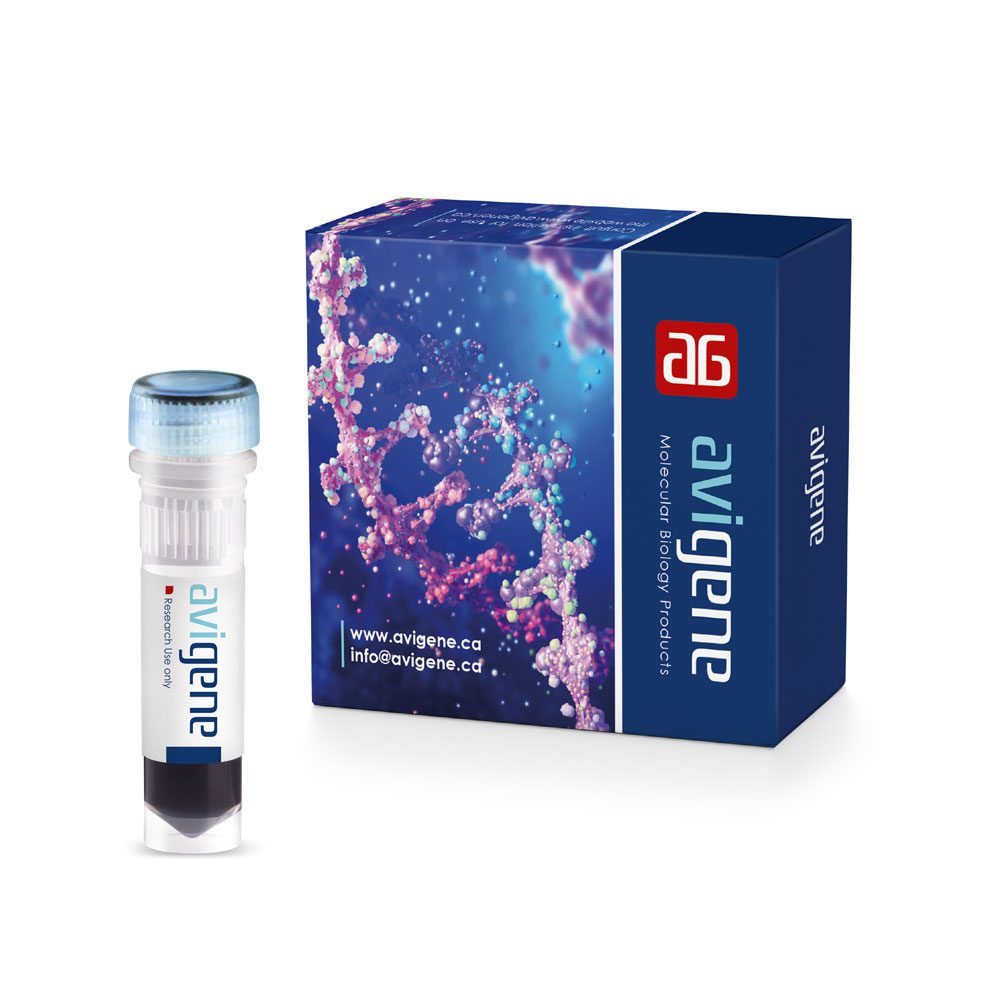
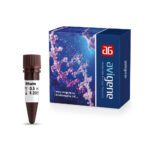
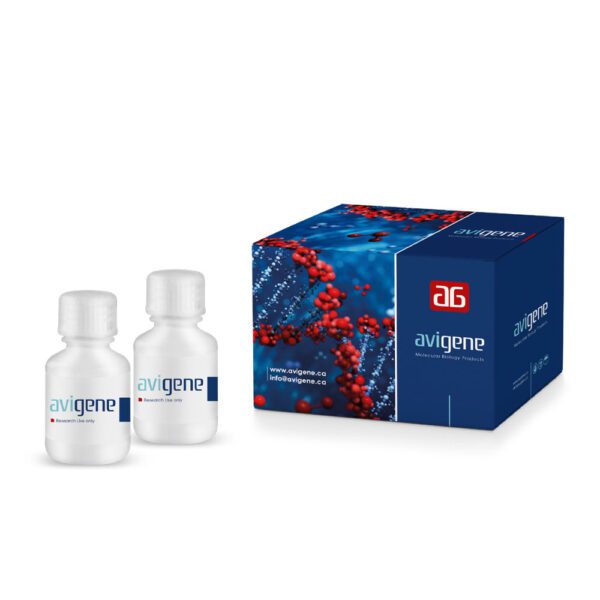
It is a dual-color DNA loading dye designed to simplify and enhance the gel electrophoresis process.
Its unique formulation, containing bromophenol blue and xylene cyanol, enables researchers to easily load DNA samples into wells and visually track their migration in real-time.
This ensures accurate results and efficient analysis, making AviDuo™ a valuable asset for any laboratory conducting genetic research.
Related documents for AviDuo™
| AviDuo™ – Manual | Download |
|---|---|
| Avigene™ Electrophoresis reagents | Download |
AviDuo™:
The Dual-Color DNA Loading Dye Revolutionizing Gel Electrophoresis
Unleashing the Power of DNA Loading Dyes
DNA loading dyes are essential tools in molecular biology labs worldwide. They are solutions added to DNA samples before loading them onto agarose or polyacrylamide gels for electrophoresis. While their primary function is to increase the density of the sample (making it easier to sink into the well), they offer additional benefits that greatly streamline the electrophoresis workflow.
Key Functions of DNA Loading Dyes:
-
Density Adjustment: Loading dyes contain high-density substances (e.g., glycerol or sucrose) that ensure the DNA sample sinks to the bottom of the gel well and doesn’t float away.
-
Visual Tracking: Loading dyes contain colored dyes (e.g., bromophenol blue, xylene cyanol) that co-migrate with DNA fragments during electrophoresis. This allows researchers to monitor the progress of the run and estimate the approximate size of DNA fragments.
-
pH Indication: Some loading dyes also include pH indicators to confirm that the pH of the sample is compatible with the electrophoresis buffer.
The Dual-Color Advantage:
Why Two Dyes Are Better Than One
While single-color loading dyes can get the job done, dual-color dyes like AviDuo™ offer significant advantages:
-
Precise Tracking: Two dyes with different migration rates provide more accurate tracking of DNA fragments. The faster-moving dye (bromophenol blue) indicates the front of the sample, while the slower-moving dye (xylene cyanol) indicates the approximate location of larger DNA fragments.
-
Run Time Optimization: By observing when the dyes reach the end of the gel, researchers can determine the optimal run time and avoid running the gel for too long, which can lead to smaller fragments running off the end.
-
Greater Flexibility: Dual-color dyes offer more flexibility in choosing the appropriate gel concentration and run conditions, as the two dyes can be used as reference points to optimize the separation of different DNA fragment sizes.
AviDuo™:
A New Standard in DNA Loading Dyes
AviDuo™ takes the concept of dual-color loading dyes to the next level. Its carefully optimized formulation not only provides the benefits mentioned above but also boasts several unique advantages:
- Superior Resolution: AviDuo™’s dyes are formulated to provide sharp, well-defined bands during electrophoresis, allowing for easier interpretation of results.
- Enhanced Stability: The dyes in AviDuo™ are highly stable, ensuring consistent performance across multiple runs.
- User-Friendly: AviDuo™ is ready to use with no additional preparation required, saving valuable time in the lab.
- Compatibility: AviDuo™ is compatible with a wide range of agarose and polyacrylamide gel systems.
Unlock the Full Potential of Your Gel Electrophoresis with AviDuo™
AviDuo™ is more than just a DNA loading dye; it’s a tool designed to simplify, enhance, and optimize your gel electrophoresis workflow. Its dual-color formulation, combined with superior resolution and stability, makes it an invaluable asset for any researcher working with DNA.
Additional Tips for Optimizing Gel Electrophoresis with AviDuo™:
- Choose the right gel percentage: The optimal gel percentage depends on the size of the DNA fragments you want to separate. Higher percentages are better for smaller fragments, while lower percentages are better for larger fragments.
- Adjust run time: The appropriate run time will vary depending on the gel percentage, voltage, and the size of your DNA fragments.
- Load the appropriate amount of DNA: Overloading can lead to smearing and poor resolution, while underloading may make it difficult to visualize your bands.
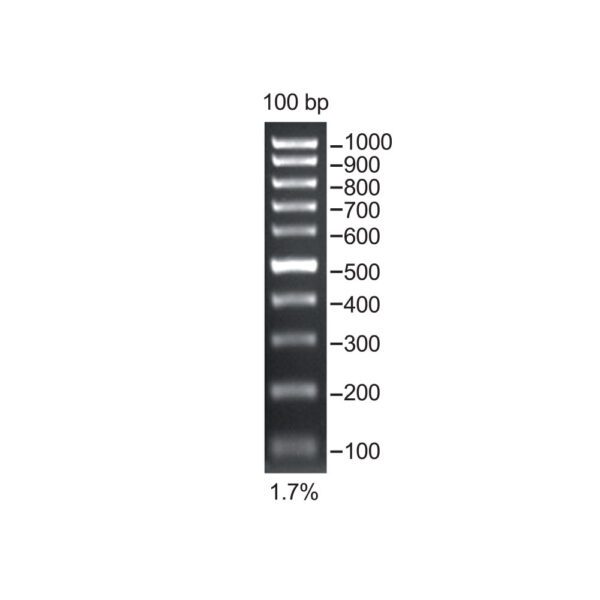
- Use a suitable molecular weight marker: A DNA ladder with fragments of known sizes can help you estimate the size of your DNA fragments.
| Brand |
avigene |
|---|---|
| packing |
1 ml ,5 ml |
Related products
AviStain™
Store at room temperature (≤ +25°C)
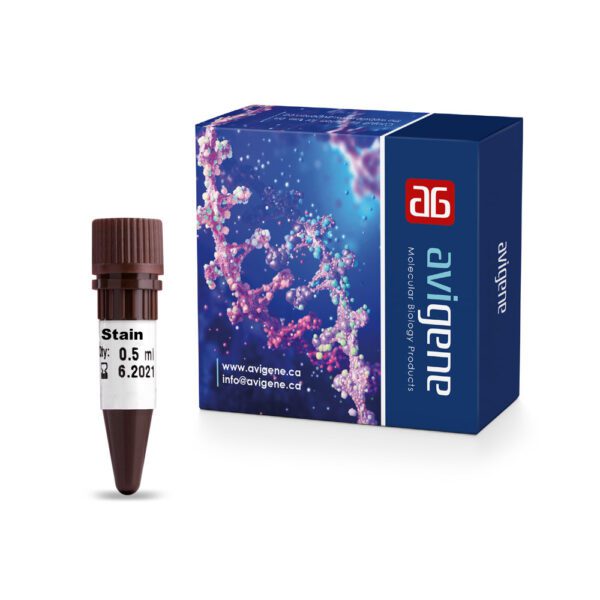
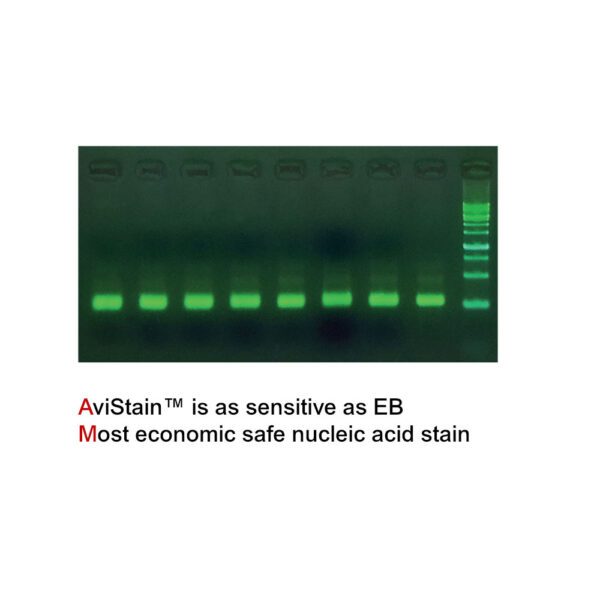
AviStain™ DNA Safe Staining Dye is a new and safe nucleic acid stain, designed as a direct replacement for the potentially hazardous ethidium bromide (EB) stain. It effectively detects double-stranded DNA and RNA in agarose gels with equal sensitivity to EB.Advantages:
- Sensitivity matching traditional EB stain
- The most economical safe option for visualizing nucleic acids
AviTri™
AviTri™ is a three-color DNA loading dye designed to enhance the precision and efficiency of gel electrophoresis. Its unique blend of Orange G, Bromophenol Blue, and Xylene Cyanol enables researchers to accurately load DNA samples and visually track their migration with exceptional clarity.
Advantages:
- Precise Tracking: Three distinct colors offer superior resolution and accuracy in tracking DNA fragments during electrophoresis.
- Optimized for Small Fragments: In standard agarose gels, Orange G dye migrates faster than Bromophenol Blue or Xylene Cyanol, aligning with DNA fragments between 10 and 20 nucleotides in length.
- Enhanced Visualization: Clear, well-defined bands for easier interpretation of results.
- Versatile: Suitable for a wide range of agarose gel electrophoresis applications.
TBE Buffer
TAE Buffer
Store at room temperature (≤ +25°C)
50X TAE Buffer A Concentrated Solution for Nucleic Acid Electrophoresis
50X TAE buffer is a highly concentrated buffer used in molecular biology for agarose gel electrophoresis.
TAE Buffer contains Tris base for pH maintenance, acetic acid for conductivity, and EDTA to protect nucleic acids.
This solution is typically diluted to a 1X working concentration before use in electrophoresis experiments to separate DNA and RNA fragments based on size.
Reviews
There are no reviews yet.